
1. Soft power just reversed direction
For decades, influence flowed one way: West → East.
That vector has flipped and I am not sure if it’s ever going back.
"Chinamaxxing" is the intentional adoption of Chinese lifestyle habits, aesthetic standards, and digital behaviors by non-Chinese populations which are mostly Gen Z and late Millennials. And it's not nostalgia or trend-chasing.
These users are romanticising Chinese infrastructure, wellness, and digital life because they see it as stable, efficient, and coherent.
The deeper driver, as I read it? Disillusionment with Western institutions.

2. The TikTok ban created an accidental cultural bridge
The inflection point was political.
When a US TikTok ban looked imminent in early 2025, users migrated to Xiaohongshu (RedNote). But this wasn't just a platform swap. It was a psychological one.

On TikTok and Instagram, users doomscroll. On RedNote, they plan their lives.
Metric | Instagram / TikTok | Xiaohongshu (RedNote) |
User Intent | Passive entertainment | Active searching / life-planning |
Interaction | Likes / quick comments | Saves / detailed Notes |
Trust | Celebrities / mega influencers | KOCs (Key Opinion Consumers) |
Lifecycle | 24-48 hour virality | 30-90+ day “seeding” |
Interface | Algorithmic “For You” | Intentional discovery |
RedNote functions more like a decision engine than an entertainment feed. Its culture of "seeding" prioritises utility over virality. Here's the difference summarised:
What strikes me most: Western users ended up watching unfiltered content about Chinese education, healthcare, rail, and public services. Not headlines. Daily routines. That's a different kind of persuasion entirely.

3. Infrastructure envy
Many users entered RedNote curious. They stayed because of infrastructure.

High-speed rail. One QR code managing public services. Tuition-free compulsory education. Technologically advanced EVs.
For a generation raised on "crumbling infrastructure" narratives, this felt revelatory. And here's the thing: Chinamaxxing isn't ideological. It's comparative. And comparison is the most powerful algorithm on Earth.

4. Yang Sheng is the wellness trend with staying power
While Western wellness cycles through aesthetic micro-trends, Yang Sheng or nourishing life feels different. More durable.
The most iconic example to me was the rejection of iced drinks. The "hot water" trend has amassed over 3.2 million views on TikTok.
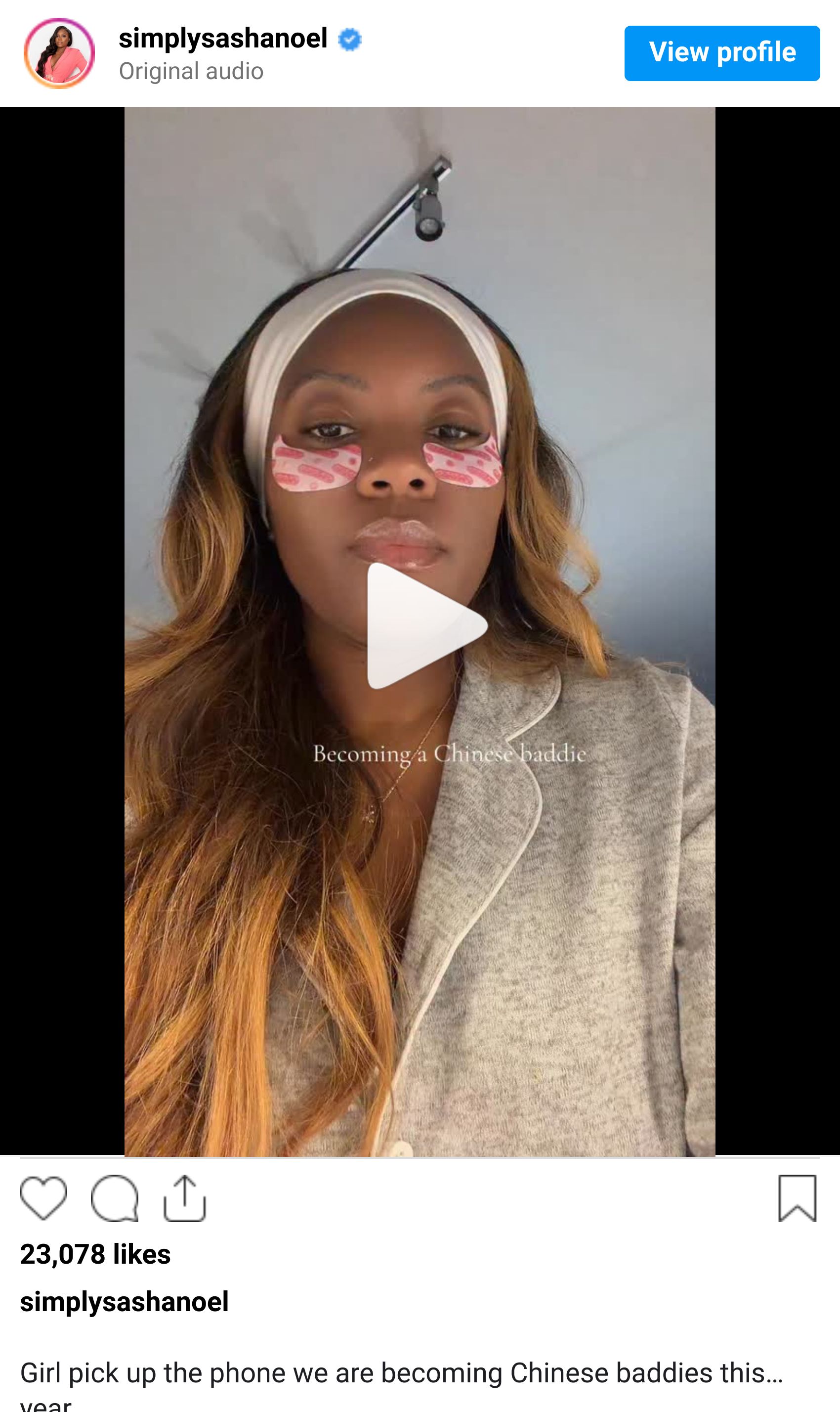
Add boiled apples, goji berries, congee breakfasts, thermal leggings. Creators say they're in "a very Chinese time" of their lives.
What I think is really going on: It's about regulation and ritual in an era of inflation and social disorientation. Western hyper-trend wellness often doesn't offer this. Yang Sheng offers a higher floor of dignity.

5. Beauty as small stories, not aspirational theatre
The "pretty girl" (měi nǚ) makeup tutorials on RedNote aren't random influencer content.
Research from Cambridge University Press found that 82% of analysed tutorials are filmed in bedrooms. Not studios. Bedrooms.
That's creates what researchers call "girlfriendship" — affective intimacy that reads as authentic.
The structure is consistent: scenario-based naming ("8AM makeup," "back-to-school registration makeup"), a clear before-and-after, a sense of participation. I think this is the part Western beauty brands consistently underestimate.
Beauty as small stories.
Beauty as self-care.
Beauty as community, not just beauty as product.

6. Memes as soft power delivery systems
"Chinamaxxing" derives from "looksmaxxing" which is about optimising your appearance.
The meme "You met me at a very Chinese time in my life" frames personal evolution through Chinese influence.
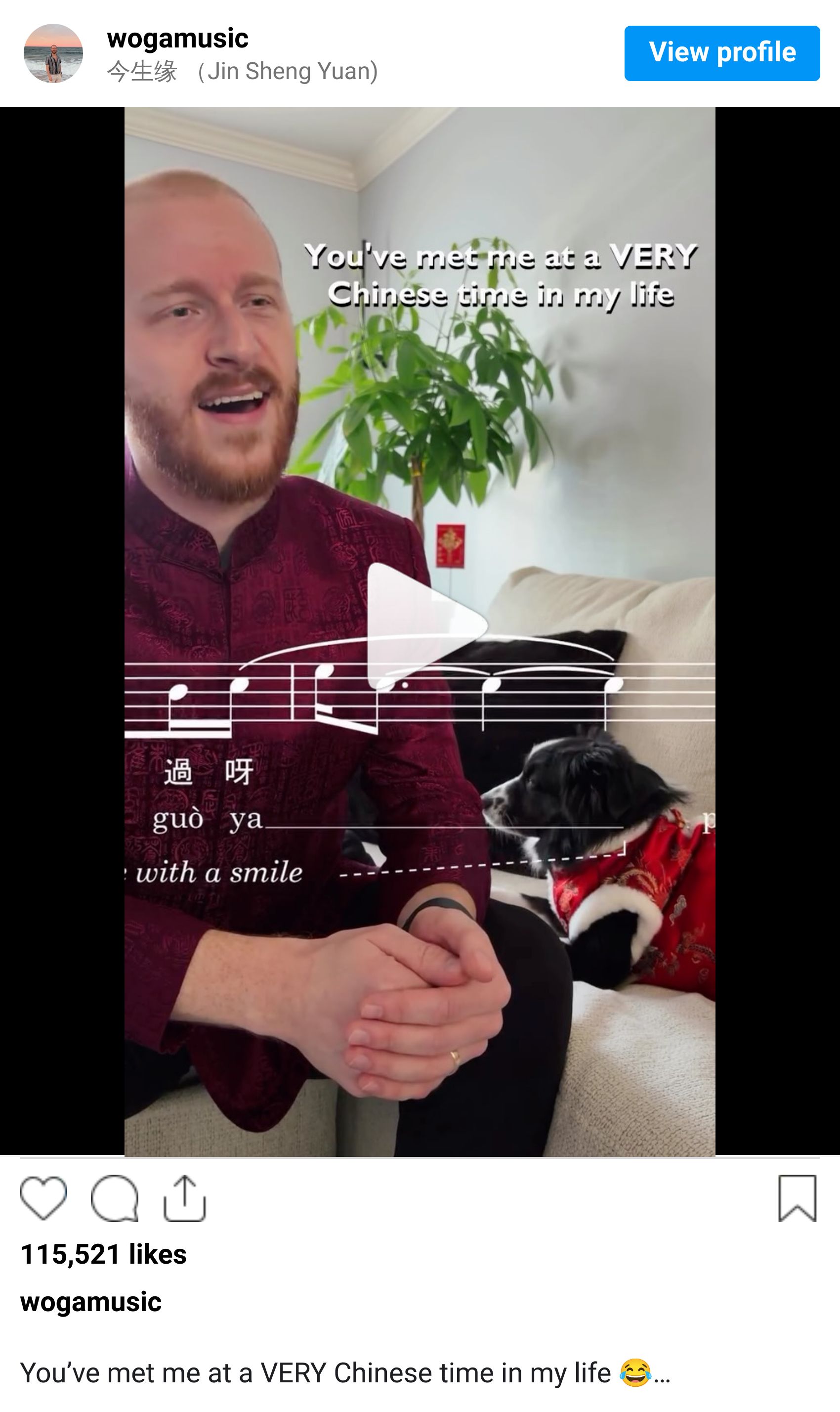
Other tropes: infrastructure envy clips, night safety montages, digital payment awe.
Gen Z's disillusionment with American soft power makes the "Chinese Dream" feel viable. Even cool.
My take? Memes aren't trivial anymore. They're vehicles for value transfer.

7. The seeding strategy: why brands should care
The commercial engine behind all of this is RedNote's seeding strategy (Zhongcao) was so notable it debuted at Cannes Lions. That’s right. I was surprised, too.
The idea: don't shout. Plant grass. Let consumers purchase when they're ready.

The five pillars of Zhongcao add up to a trust-first model: high-quality offerings, deep user insights, precise targeting, relatable content, and authentic KOCs over celebrities.
Side by side, Western marketing shows up as shallow and maybe even predatory.
Component | Traditional West | RedNote Seeding |
Messenger | Celebrities | Everyday peers (KOCs) |
Tactic | Interruption | Integration |
Funnel | Top-down | Niche → broad |
Goal | Conversion | Trust accumulation |
In a JOMO (Joy of Missing Out) era, loud ads come across as tone deaf.

8. The mirror effect: the “Kill Line” counter-trend
While Americans “become Chinese,” a parallel Chinese trend “Kill Line” (Zhanshaxian) imagines dystopian American decline.
Chinese livestreamers narrate the U.S. as declining and where illness, job loss, or accidents could trigger irreversible poverty.
Why this is interesting to me: The Zhanshaxian narrative is providing emotional relief to citizens facing “involution” (Neijuan), the societal rat race causing domestic anxiety.

9. Diaspora tensions: appreciation vs. appropriation
The Chinese diaspora has mixed reactions.
Some in the Chinese diaspora welcome the normalisation. And they are using the trend to relearn practices their parents didn’t pass down.
Others feel the term "Chinamaxxing" is cringe, even appropriative. They’re not thrilled about non-Chinese creators cherry-picking hot pot and TCM while ignoring generational trauma, the bamboo ceiling, anti-Asian hate.
For some, it feels performative. For others, performative is better than Sinophobia 24/7.

10. Gen Z is not buying into aspiration
Here’s what it looks like to me: Chinamaxxing is not a meme cycle.
It reveals the yearnings of young consumers for viable social blueprints.
They prefer peer-seeded trust over celebrity endorsement. They want rituals that lower risk and raise dignity. They've moved from passive consumption to active emulation.
It’s a pragmatic recalibration of the social contract.

TL;DR
The question isn’t:
“Should we Chinamaxx?”
The question is:
What does your brand offer as a manual for living?
Getting into the hearts and minds of young consumers is about offering coherence. That’s the real export.
They want brands that can lower the cost of living, and not just financially. Emotionally and cognitively as well.
